Living in SIL with housemates is often one of the biggest adjustments of Supported Independent Living. While the idea of sharing a home can feel exciting, it’s also natural to have questions about how day-to-day life works and how to build positive relationships with the people you’ll be living alongside.
Whether you’re exploring NDIS shared living SIL options for the first time or preparing to move into a new home, understanding how Supported Independent Living arrangements work can help you feel more confident about the transition. In this guide, we’ll explore what everyday life in a shared SIL home can look like, how housemates are matched, the support available and practical tips for making shared living a positive experience for everyone.
Understanding shared living in Supported Independent Living
How does SIL help people live independently? By providing the right level of support while encouraging participants to develop practical life skills, make everyday decisions and build confidence, Supported Independent Living (SIL) helps people work towards greater independence at their own pace.
In shared living SIL NDIS arrangements, participants are given the opportunity to live in a home with others while receiving personalised support that reflects their individual needs and goals. Most homes offerprivate bedrooms alongside shared spaces such as the kitchen, living areas and outdoor spaces, creating a balance between independence and community living.
Benefits of living in SIL with housemates
Participants living in SIL with housemates enjoy supported independence with opportunities for connection when they choose. Living with others can help you:
- Build meaningful friendships through shared experiences and everyday interactions.
- Develop greater independence by practising everyday living skills in a supportive environment.
- Gain confidence in making decisions and managing daily responsibilities.
- Learn from others by sharing ideas, experiences and practical life skills.
- Feel connected through regular social interaction and community participation.
- Grow at your own pace with personalised support that encourages you to achieve your individual goals.
What is everyday life like in a shared SIL home?
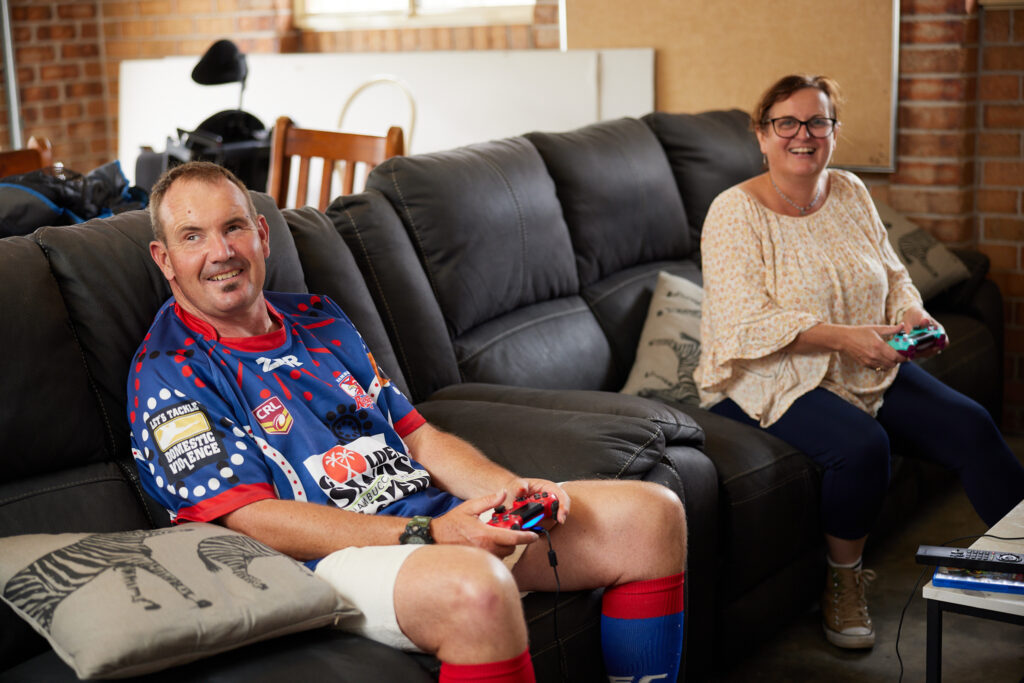
Life in a shared SIL home feels much like any other shared household. While everyone’s routine is different, you may spend time cooking meals, helping with household chores, watching TV together, joining community outings or simply enjoying quiet time in your own space.
Along the way, you’ll also learn how to share responsibilities, respect each other’s privacy and communicate openly. With the right support and mutual respect, a shared SIL home can provide a welcoming environment where participants build confidence, develop life skills and enjoy meaningful everyday experiences.
How are housemates matched?
Providers of SIL services take the time to carefully match participants by considering factors such as lifestyle, interests, support needs, age, communication styles and daily routines.
Strong compatibility in shared disability housing helps create a positive living environment where participants can feel comfortable, respected and supported while working towards their individual goals.
Common challenges of shared living
The challenges of living in Supported Independent Living are often part of adjusting to life with new people and learning how to share a home respectfully. Common situations may include:
- Different daily routines — One person may prefer early mornings while another enjoys a slower start to the day.
- Sharing household responsibilities — Agreeing on tasks such as cleaning shared spaces or helping with household chores.
- Managing noise levels — Being mindful of music, television or other activities, particularly during quiet times.
- Respecting personal space — Understanding when housemates would like privacy or time to themselves.
- Having visitors — Communicating about guests to ensure everyone feels comfortable and respected.
- Getting to know different personalities — Learning to appreciate different communication styles, interests and ways of doing things.
- Feeling homesick — Missing family, friends or familiar routines while settling into a new home.
These are a normal part of getting to know the people you live with. With open communication, mutual respect and the support of your team, most issues can be worked through, helping everyone enjoy a positive and comfortable home environment.
Tips for making shared living work
Building positive relationships with housemates in a group home Supported Independent Living setting takes time but a few simple habits can make everyday life easier:
- Communicate openly and address concerns early.
- Respect shared spaces and each other’s privacy.
- Be flexible and understanding of different routines and preferences.
- Give new relationships time to develop naturally.
- Ask support workers for guidance if challenges arise.
- Maintain your own hobbies, interests and friendships alongside any shared activities.
Finding a Supported Independent Living home that’s right for you
Finding the right SIL home is about more than the property itself. It’s also about feeling comfortable in your surroundings, having the right level of support and living with people who help create a positive and respectful home environment. Asking questions, visiting potential homes and understanding how participants are matched can help you make a more informed decision.
At Ability Options, we know that finding the right home is about more than the property itself. It’s about feeling comfortable with your surroundings, your support team and the people you live with. That’s why we take the time to understand your goals, interests and support needs so we can provide personalised supports and, where possible, thoughtfully match participants to create positive shared living experiences.
Explore your Supported Independent Living options
If you’re thinking about living in SIL with housemates, we’re here to help you take the next step with confidence. Fill out our enquiry form today to learn more about our Supported Independent Living services and available accommodation.
Exploring your options? Find out how Supported Independent Living differs from Specialist Disability Accommodation, or read our guide to choosing the right Supported Independent Living Accommodation.